In today’s global construction and architectural industry, natural stone is valued not only for its visual appeal but also for its performance and longevity. However, not all stone products deliver the same results. The difference lies in export-grade stone quality, which plays a crucial role in ensuring durability, structural reliability, and long-term design integrity.
For international buyers, architects, and builders, choosing export-grade granite or marble is an investment in quality that extends far beyond initial installation.
What Is Export-Grade Stone?
Export-grade stone refers to natural stone that meets strict international standards for strength, uniformity, finish, and consistency. It undergoes rigorous quality checks during sourcing, processing, and packaging to ensure it can withstand transportation, installation, and long-term use.
Export-grade granite and marble are carefully selected for color consistency, thickness tolerance, surface finish, and structural integrity. These standards reduce defects such as cracks, uneven edges, surface inconsistencies, and premature wear.
Durability Begins at the Source
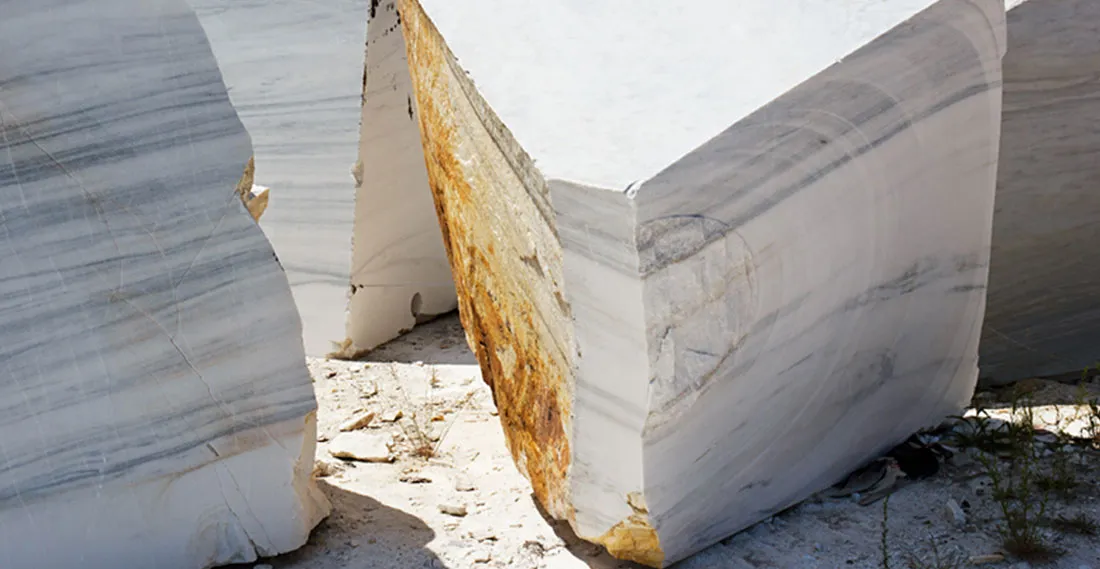
Stone durability starts with responsible quarry selection. High-quality stone is extracted from stable quarry zones with minimal internal fractures. Export-grade material is chosen based on density, hardness, and natural composition, ensuring it can handle mechanical stress and environmental exposure.
Granite, known for its hardness, offers exceptional resistance to abrasion, heat, and moisture when processed to export standards. Marble, while softer, achieves long-lasting performance when properly selected, cut, and finished.
Precision Processing Enhances Performance
Processing quality directly affects stone durability. Export-grade stone is cut using advanced machinery that ensures precise thickness, straight edges, and uniform dimensions. Polishing and finishing are done using controlled techniques that enhance surface strength and appearance.
Accurate processing minimizes weak points, allowing stone slabs and blocks to withstand heavy usage, temperature changes, and long-term exposure without cracking or surface degradation.
Consistent Quality Improves Design Longevity
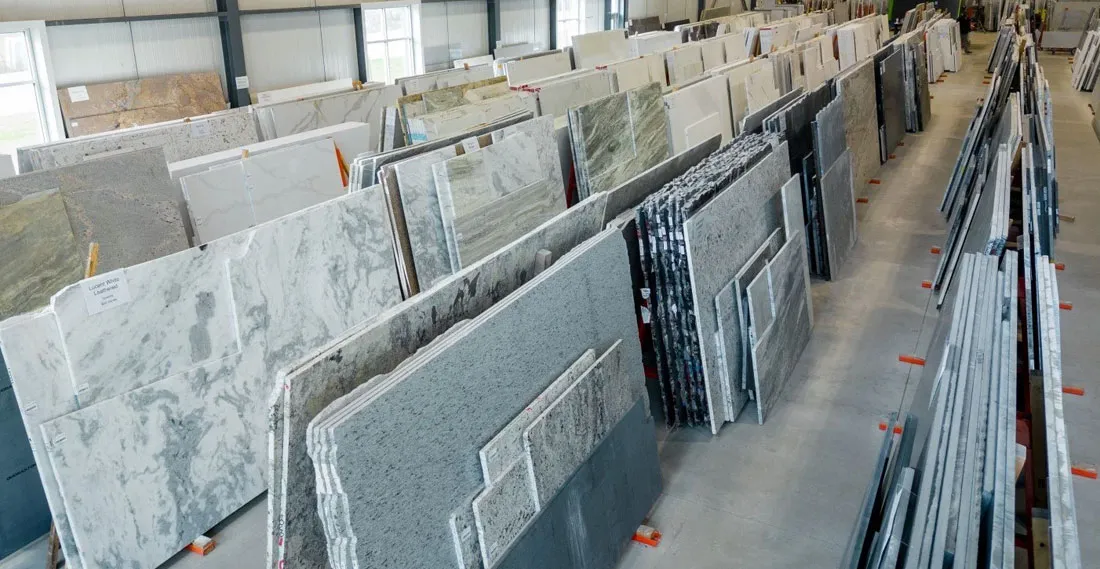
Design longevity depends on visual consistency as much as structural performance. Export-grade stone offers uniform color tones, textures, and finishes across batches. This consistency ensures seamless installation, clean joints, and refined aesthetics in large-scale projects.
Architects and designers rely on export-grade stone to maintain design integrity over time. Inconsistent stone quality can result in visible variations, uneven aging, and compromised aesthetics, reducing the overall value of a project.
Reduced Maintenance and Lifecycle Costs
One of the major advantages of export-grade stone is lower maintenance requirements. High-quality granite and marble resist staining, chipping, and surface wear more effectively than lower-grade alternatives.
When stone maintains its structural and visual properties over decades, maintenance costs decrease significantly. This makes export-grade stone a cost-effective choice in the long run, especially for commercial buildings, monuments, and public infrastructure.
Performance Across Global Environments
Export-grade stone is designed to perform in diverse climatic conditions. Whether exposed to extreme heat, freezing temperatures, moisture, or pollution, high-quality stone retains its strength and appearance.
This reliability is critical for international projects, where stone must perform consistently across different environments. Proper finishing, sealing, and packaging further protect the stone during transportation and installation.
The Role of Packaging and Logistics
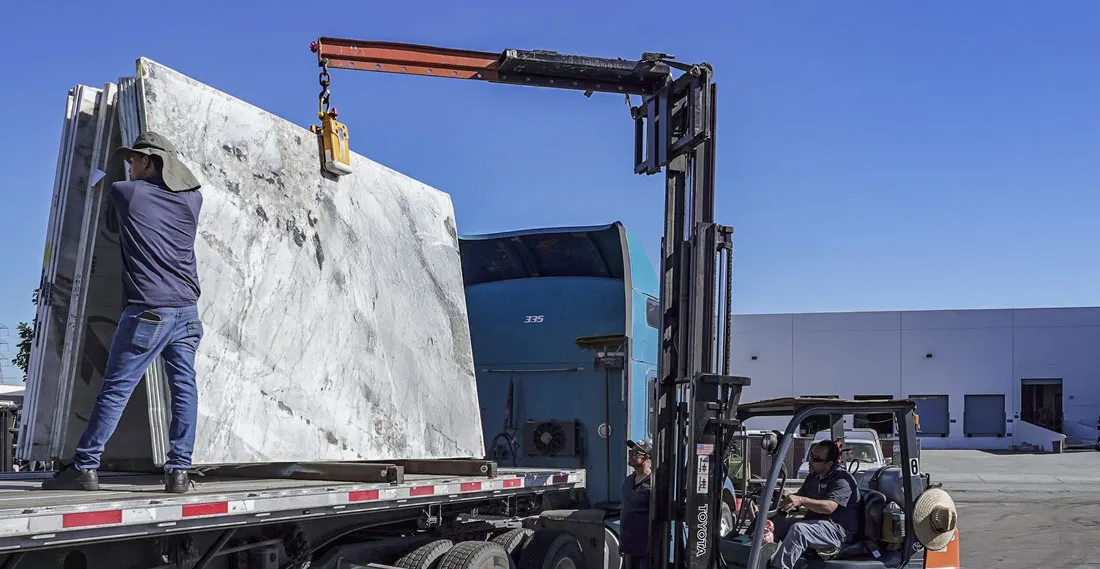
Stone quality can be compromised if packaging and logistics are neglected. Export-grade stone is securely packed using industry-approved methods to prevent damage during transit.
Strong packaging protects edges, corners, and surfaces, ensuring the stone arrives in perfect condition. This attention to detail preserves both durability and appearance from quarry to installation site.
Why Export-Grade Stone Builds Global Trust
Consistent export-grade quality builds confidence among global buyers. Reliable stone performance reduces project risks, delays, and replacement costs. Over time, this reliability strengthens long-term partnerships between exporters and international clients.
Companies that prioritize export-grade standards demonstrate professionalism, accountability, and commitment to excellence—qualities valued in competitive global markets.
Final Thoughts
Export-grade stone quality directly influences durability, design longevity, and overall project success. From quarry selection and precision processing to packaging and delivery, every step contributes to stone performance.
Choosing export-grade granite or marble ensures lasting strength, refined aesthetics, and dependable results. For projects that demand excellence today and resilience for decades, export-grade stone is the foundation of enduring architectural value.