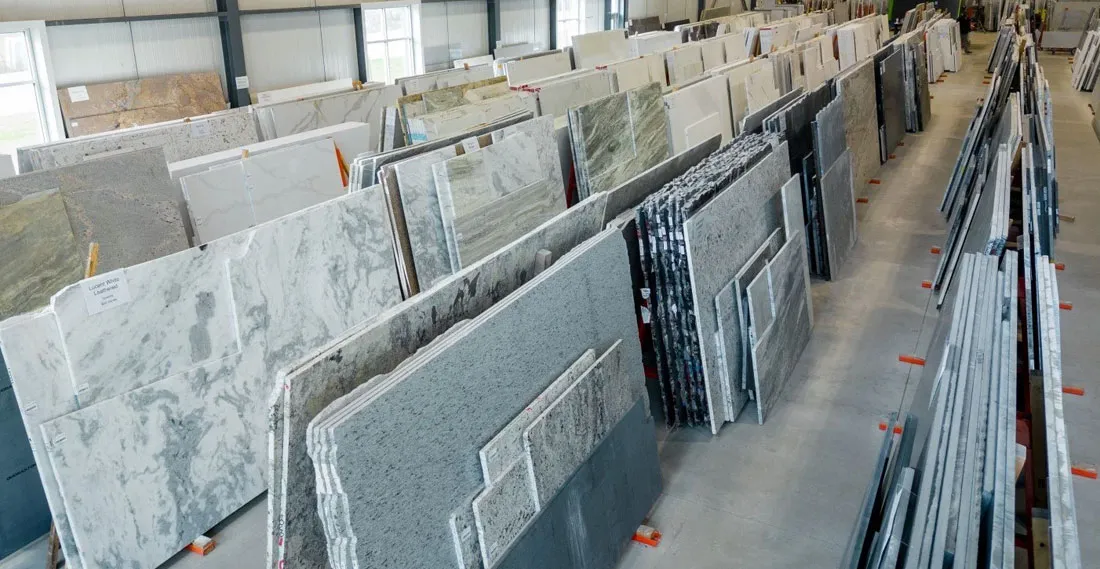
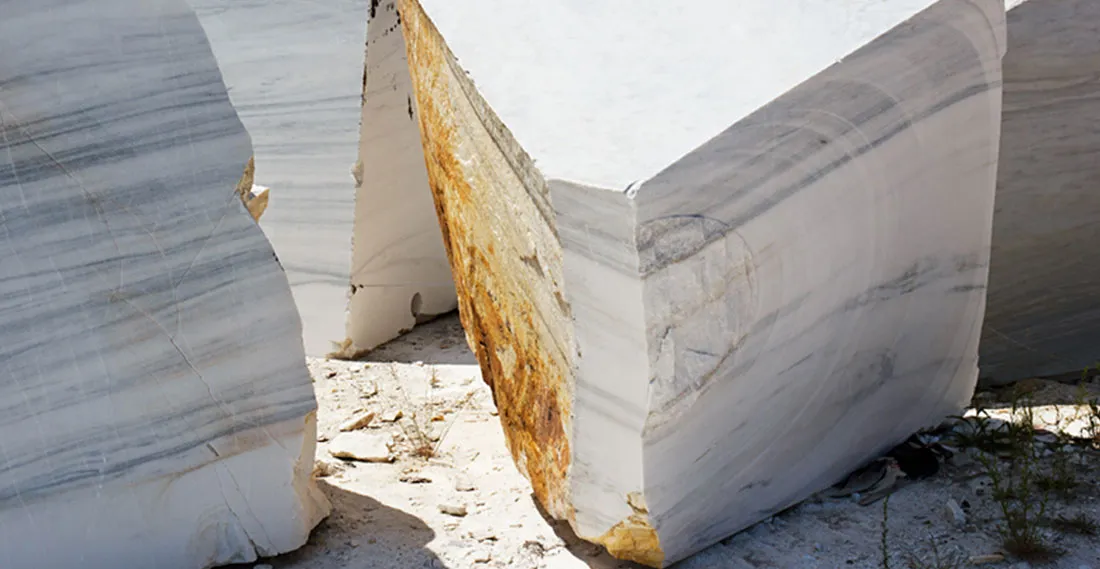
Natural stone has been a preferred building and design material for centuries, valued for its durability, elegance, and timeless appeal. Among the many options available, granite and marble remain the two most popular choices for residential, commercial, and monumental projects. While both stones offer unique benefits, choosing the right one depends on your project’s purpose, location, budget, and aesthetic goals.
Understanding the differences between granite and marble helps architects, builders, and buyers make informed decisions that ensure long-term performance and visual excellence.
Understanding Granite Stone
Granite is an igneous rock formed deep within the earth under intense heat and pressure. This natural process gives granite its exceptional hardness, density, and strength, making it one of the most durable natural stones available.
Granite is widely used for flooring, countertops, wall cladding, staircases, outdoor paving, and infrastructure projects. Its resistance to scratches, stains, heat, and weather conditions makes it ideal for high-traffic and exterior applications. Granite slabs also retain their natural color and texture over time, even when exposed to sunlight, moisture, and heavy use.
From a maintenance perspective, granite requires minimal care. Basic cleaning and occasional sealing are enough to preserve its appearance. Due to its strength and longevity, granite is often chosen for projects where performance and durability are top priorities.
Understanding Marble Stone
Marble is a metamorphic stone created when limestone is subjected to heat and pressure over time. Known for its smooth surface, elegant veining, and refined appearance, marble has long been associated with luxury, art, and classical architecture.
Marble is commonly used for interior flooring, wall panels, monuments, statues, temples, and memorial structures. Its natural patterns and soft glow add sophistication and visual depth to any space. Marble is particularly popular in decorative and symbolic applications where aesthetics matter most.
Compared to granite, marble is softer and more porous. It requires sealing and careful maintenance to prevent staining and surface wear. However, when properly maintained, marble delivers unmatched elegance and timeless beauty that few materials can replicate.
Granite vs Marble: Key Differences
The primary difference between granite and marble lies in strength, appearance, and application. Granite is harder, more resistant to impact, and better suited for functional and outdoor use. Marble, while slightly less durable, excels in visual appeal and is ideal for interiors and artistic applications.
Granite offers a more granular, speckled texture, while marble is known for flowing veins and a smoother finish. Granite typically performs better in kitchens, commercial areas, and outdoor settings. Marble is preferred for luxury interiors, monuments, and spaces where design elegance is essential.
Cost can also vary depending on stone quality, thickness, finish, and sourcing. While both stones are premium materials, granite often provides better long-term value due to lower maintenance requirements.
Why Quality Matters in Natural Stone Selection
High-quality natural stone not only improves appearance but also ensures structural reliability and longevity. Poor-quality stone can lead to cracks, uneven finishes, and higher maintenance costs over time. Export-grade stone, processed under strict quality control, delivers consistent results and long-term value.
At Goldenyard Corporation, every granite and marble product is carefully sourced, processed, and inspected to meet global quality expectations. This commitment ensures that clients receive stone solutions that combine beauty, durability, and reliability.
Final Thoughts
Both granite and marble are exceptional natural stones, each offering distinct advantages. The right choice depends on how and where the stone will be used, as well as the desired visual impact. By understanding their characteristics and applications, buyers can select a material that enhances both function and design.
Whether you choose granite for its strength or marble for its elegance, investing in high-quality natural stone ensures lasting value and timeless appeal for your project.